
Large Call to Action Headline
Workplace Smoking Policy: How to Write, Implement, and Enforce It Fairly
Workplace Smoking Policy: How to Write, Implement, and Enforce It Fairly
Creating a workplace smoking policy is essential in today’s health-conscious and legally regulated work environments. Whether you're an HR director, CFO, or business leader, knowing how to write, implement, and enforce a smoking policy fairly can protect your workforce, reduce liability, and foster a healthier workplace culture. As a Registered Respiratory Therapist with over 19 years of experience and a Certified Smoking Cessation Facilitator, I’ve seen firsthand how well-crafted policies support both employee well-being and business success.
In this comprehensive guide, you’ll discover practical, actionable strategies to develop a smoking policy that respects employee rights, complies with legal requirements, and encourages healthier choices without judgment or exclusion.
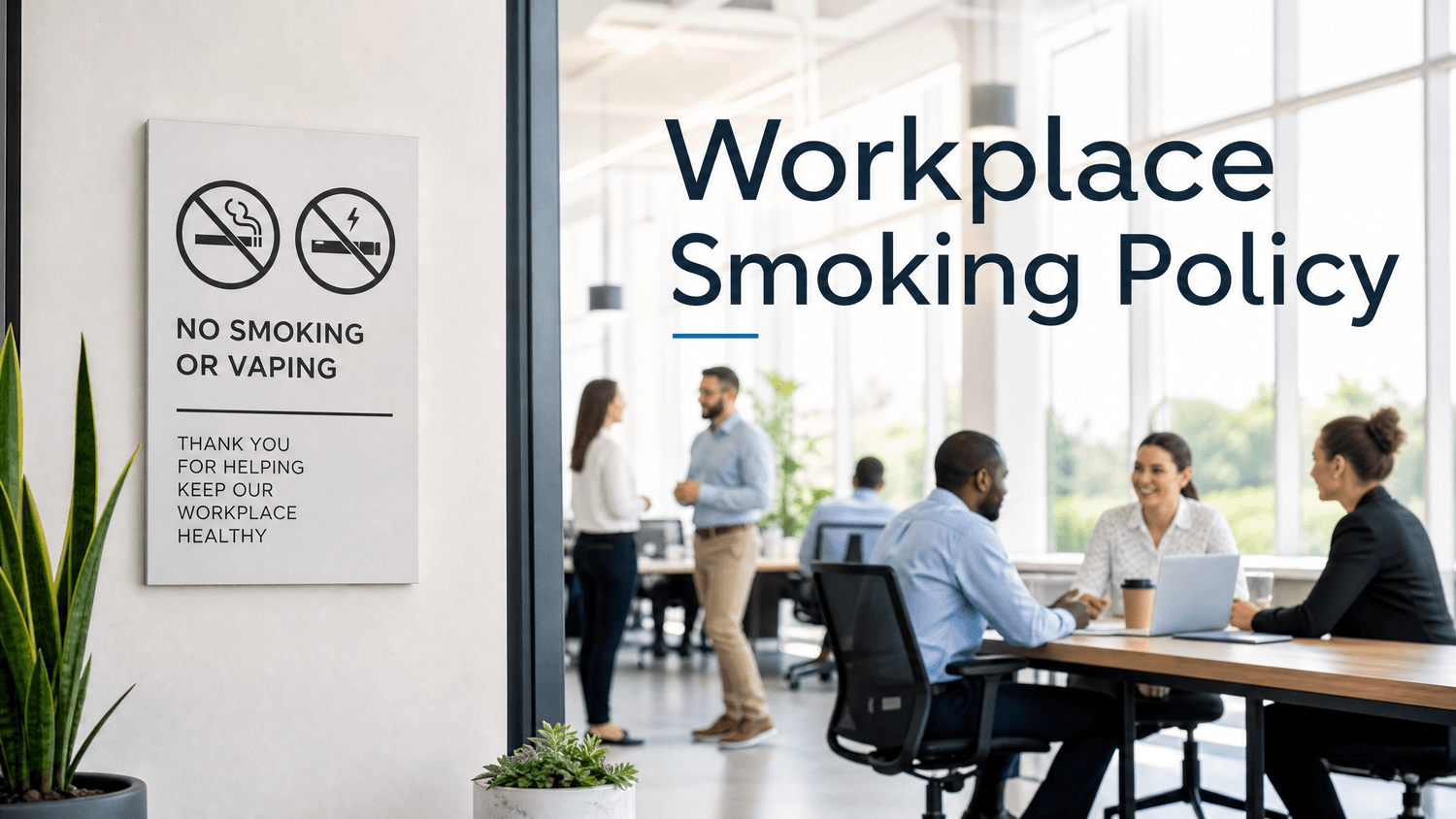
Why a Workplace Smoking Policy Matters
Protecting Employee Health and Safety
Smoking and vaping are linked to serious respiratory and cardiovascular diseases. Secondhand smoke exposure can harm nonsmokers, increasing their risk of lung cancer, heart disease, and asthma exacerbations. According to the Centers for Disease Control and Prevention (CDC), secondhand smoke causes approximately 41,000 deaths among nonsmoking adults annually in the U.S. alone.
A workplace smoking policy helps protect everyone’s health by limiting exposure to harmful smoke and vapors during work hours and on company property.
Compliance with Laws and Regulations
Many regions have strict laws restricting smoking in enclosed workplaces, near entrances, and in shared outdoor spaces. A clear smoking policy ensures your organization complies with local, state, and federal regulations, reducing the risk of costly fines and legal disputes.
Enhancing Productivity and Reducing Costs
Tobacco use can contribute to increased absenteeism, reduced productivity, and higher healthcare costs. The American Lung Association notes that smokers can lose up to 13.5 workdays per year due to smoking-related illnesses. Implementing a fair smoking policy and providing cessation support can boost employee wellness and lower business expenses.
How to Write a Fair and Effective Workplace Smoking Policy
Writing a smoking policy requires balancing regulatory compliance, respect for employee autonomy, and the organization's health goals. Below are key steps to guide you:
1. Understand Your Legal Obligations
Before drafting your policy, research applicable laws at all government levels. For example:
Local laws: Many cities ban smoking within a certain distance of building entrances.
State laws: Some states require 100% smoke-free indoor workplaces.
Federal regulations: OSHA provides guidelines on indoor air quality.
Make sure your policy reflects minimum legal standards and any stricter company rules you wish to apply.
2. Define the Scope of the Policy Clearly
Specify:
Where smoking/vaping is prohibited: Indoors, company vehicles, within a certain perimeter outdoors, etc.
Who the policy applies to: Employees, contractors, visitors.
Types of products covered: Cigarettes, cigars, pipes, e-cigarettes, vaping devices, smokeless tobacco.
Clarity helps prevent confusion and inconsistent enforcement.
3. Use Respectful, Nonjudgmental Languages
Frame the policy positively and avoid stigmatizing language. Instead of “No smoking or vaping allowed because it’s bad for you,” consider:
“To promote a healthy and safe environment for all, smoking and vaping are restricted in the following areas…”
This approach encourages cooperation rather than resistance.
4. Include Provisions for Designated Smoking Areas (If Applicable)
Some organizations allow controlled smoking zones away from entrances and common areas. If you choose this:
Define exact locations.
Set time limits or break rules.
Ensure areas are safe, well-maintained, and do not expose nonsmokers to secondhand smoke.
5. Address Support for Employees Who Smoke or Vape
A policy is more effective when paired with resources, such as:
Access to smoking cessation programs.
Employee assistance programs (EAPs).
Health benefits covering nicotine replacement therapies.
This demonstrates the company’s commitment to employee health without judgment.
6. Outline Consequences for Policy Violations
Specify fair, consistent disciplinary steps for noncompliance, such as verbal warnings, written notices, and further action if necessary. Ensure consequences are communicated transparently.
7. Plan for Regular Review and Updates
Smoking laws and products evolve. Commit to reviewing your policy at least annually to stay current and relevant.
Best Practices to Implement Your Workplace Smoking Policy
Writing the policy is the first step. Successful implementation requires thoughtful strategies to engage your workforce and minimize disruption.
Communicate Transparently and Early
Announce the policy well before enforcement begins.
Use multiple channels: emails, staff meetings, posters, intranet.
Explain the health, safety, and legal reasons behind the policy.
Train Managers and Supervisors
Equip your leadership team to:
Answer employee questions.
Handle policy violations fairly.
Encourage participation in cessation support options.
Provide Access to Smoking Cessation Resources
Encourage employees who smoke or vape to seek help by offering:
On-site or virtual cessation workshops.
Access to counseling or coaching services.
Coverage for nicotine replacement therapies or medications.
As a Certified Smoking Cessation Facilitator, I recommend integrating these supports to increase quit success rates.
Foster a Supportive Workplace Culture
Celebrate smoke-free milestones, share success stories, and recognize employees’ efforts. Avoid shaming or isolating smokers, empathy encourages positive change.
Enforcing the Smoking Policy Fairly and Effectively
Fair enforcement builds trust and compliance. Here’s how to do it well:
1. Consistency Is Key
Apply rules uniformly to all employees, regardless of rank or tenure. Inconsistent enforcement causes confusion and resentment.
2. Document Incidents Clearly
Maintain records of violations and disciplinary actions to protect the organization legally and support fair decision-making.
3. Handle Violations Privately and Respectfully
Avoid public reprimands. Speak one-on-one with employees to discuss concerns and offer support.
4. Use Progressive Discipline
Start with verbal warnings, then written notices, and escalate only if necessary. This approach allows opportunities for compliance and improvement.
5. Continue Offering Support
If an employee struggles to comply, refer them to cessation resources rather than focusing solely on punishment.
The Role of Employers in Supporting Tobacco-Free Workplaces
Employers have a unique opportunity to promote healthier lifestyles by combining policies with programs. Here’s why:
Smoking cessation programs can double or triple quit rates. According to the National Cancer Institute, comprehensive workplace programs increase success.
Supporting employees benefits morale and retention.
Reduces healthcare costs for employers and employees.
As a Registered Respiratory Therapist, I encourage companies to view tobacco control as part of a broader wellness strategy.
Questions About Workplace Smoking Policy, Implementation, and Enforcing It Fairly (FAQs)
A workplace smoking policy is a set of rules created by an employer that regulates where and when smoking or vaping is allowed on company property. It aims to protect employees from secondhand smoke, comply with laws, and promote health.
Yes. Many modern policies explicitly include vaping devices and e-cigarettes, as they also emit aerosols that can affect air quality and health.
Yes, employers can designate specific outdoor smoking areas away from entrances and high-traffic zones, as long as these areas comply with local laws and minimize exposure to others.
Employers can provide access to cessation programs, counseling, nicotine replacement therapies, and create a supportive environment that encourages quitting without judgment.
Consequences vary but often include verbal warnings, written notices, and in repeated cases, disciplinary action. Policies should clearly outline these consequences to ensure fairness.
It’s best to review the policy annually or whenever there are changes in laws, products, or organizational needs to keep it relevant and effective.
Conclusion: Workplace Smoking Policy, Implementation, and Enforcing It Fairly
A well-crafted workplace smoking policy is more than just a set of rules—it’s a vital tool for protecting employee health, complying with regulations, and fostering a supportive, productive work environment. By writing your policy clearly, communicating it transparently, and enforcing it fairly, you can create a healthier workplace culture that benefits everyone.
Remember, empathy and support are just as important as enforcement. Providing employees with resources and encouragement to quit smoking or vaping demonstrates your organization’s commitment to their well-being.
Take the Next Step Toward a Healthier Workplace

Are you ready to develop or enhance your workplace smoking policy with expert guidance? As a Registered Respiratory Therapist and Certified Smoking Cessation Facilitator, I help organizations like yours design comprehensive cessation programs that work.
Book a corporate consultation today to learn how Woodley Solutions can support your employees in breathing better, working smarter, and living free.
Contact us now to get started!
Ready for live, expert-led support?
On Saturday, June 20, 2026 (4PM – 6PM GMT), Althea is hosting a live virtual workshop, Substance Abuse Recovery: Mastering Quitting Smoking, Vaping and Marijuana: a two-hour online session designed to give adults the tools, structure, and community support to quit for good.
It is judgment-free, evidence-based, and accessible from anywhere.
Tickets: $47.99 | Full refund available up to 7 days before the event
About the Author: Althea Woodley
Althea Woodley is a Registered Respiratory Therapist with over 19 years of clinical experience and a Certified Smoking Cessation Facilitator. Throughout her career, she has witnessed firsthand the devastating effects of nicotine addiction on lung health and overall well-being. This deep clinical understanding drives her passion for helping individuals break free from tobacco and vaping.
At Woodley Solutions, Althea combines evidence-based cessation strategies with compassionate, judgment-free coaching. Her approach goes beyond simple willpower, addressing the psychological, behavioral, and physical aspects of addiction.
Whether she is working one-on-one with individuals through her Breathe Forward Course or partnering with HR Directors and CFOs to implement high-ROI corporate wellness programs, Althea's mission remains the same: to empower people to take back control of their health.
Breathe Better. Work Smarter. Live Free.
© Created with systeme.io