
Large Call to Action Headline
What Is Nicotine Addiction? How It Works and Why It's So Hard to Break
What Is Nicotine Addiction? How It Works and Why It's So Hard to Break
Nicotine addiction is one of the most common and challenging dependencies worldwide. Whether it’s from cigarettes, vaping devices, or smokeless tobacco, millions find themselves caught in a cycle that's tough to escape. But what exactly is nicotine addiction, and why is it so difficult to break free? As a Registered Respiratory Therapist with over 19 years of experience and a Certified Smoking Cessation Facilitator, I’ve witnessed firsthand how nicotine changes the brain and body—making quitting a complex journey, but one that is absolutely possible.
In this comprehensive guide, we'll explore the science behind nicotine addiction, how it rewires the brain, the physical and psychological challenges it creates, and most importantly, actionable strategies that truly work to help you or your loved ones breathe better, work smarter, and live free.
Understanding Nicotine: The Powerful Substance Behind Addiction
Nicotine is a naturally occurring chemical found in tobacco plants. It acts as a stimulant in the brain and central nervous system, which is why it can create feelings of pleasure and alertness immediately after use. However, nicotine is also highly addictive, and its effects go far beyond a simple “buzz.”

How Nicotine Affects the Brain
When nicotine enters the bloodstream—whether through smoking, vaping, or chewing—it quickly crosses the blood-brain barrier and stimulates the release of neurotransmitters, especially dopamine, the “feel-good” chemical. This flood of dopamine creates a temporary sense of pleasure and reward, reinforcing the behavior of nicotine use.
Here’s what happens step-by-step:
Nicotine binds to nicotinic acetylcholine receptors in the brain.
This triggers the release of dopamine and other chemicals like norepinephrine and serotonin.
The surge of dopamine activates the brain’s reward system.
This reward encourages repeated use to chase those pleasurable sensations.
Over time, the brain adjusts by producing fewer natural dopamine signals, leading to dependence on nicotine.
The Role of Tolerance and Dependence
With repeated nicotine exposure, your brain develops tolerance, meaning you need more nicotine to achieve the same effects. This is why many smokers gradually increase the number of cigarettes or switch to higher nicotine products.
Dependence develops when your brain starts to rely on nicotine to function “normally.” Without it, withdrawal symptoms like irritability, anxiety, and cravings occur, making quitting feel overwhelming.
Why Is Nicotine Addiction So Hard to Break?
Nicotine addiction is more than just a habit or a lack of willpower—it’s a complex interplay of biological, psychological, and social factors.
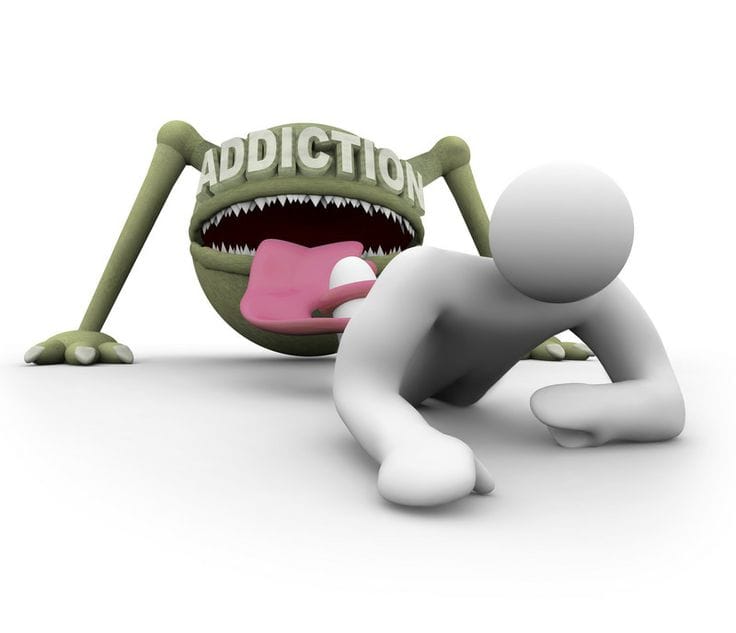
1. Biological Challenges
Brain Chemistry Changes: Nicotine rewires the brain’s reward pathways, making it crave the substance to feel “normal.”
Withdrawal Symptoms: When you stop using nicotine, the absence of dopamine causes symptoms like headaches, mood swings, difficulty concentrating, and intense cravings.
Physical Dependence: Your body becomes accustomed to nicotine’s stimulant effects, leading to physical discomfort without it.
2. Psychological Factors
Emotional Associations: Many people use nicotine to cope with stress, anxiety, or boredom. These emotional triggers can be deeply rooted and hard to overcome.
Habitual Behavior: Smoking or vaping often becomes a ritual tied to daily routines—morning coffee, breaks at work, social situations—which reinforces the addiction.
Mental Health: Anxiety and depression can make quitting more challenging, as nicotine sometimes temporarily masks these feelings.
3. Social and Environmental Influences
Peer Pressure: Social circles where smoking or vaping is common increase the likelihood of continued use.
Accessibility: Easy availability of tobacco products and vaping devices can make abstinence difficult.
Marketing: Tobacco companies invest heavily in advertising that glamorizes nicotine use, especially among younger populations.

Statistics That Highlight the Scope of Nicotine Addiction
According to the World Health Organization (WHO), over 1.3 billion people worldwide use tobacco products.
In the U.S., about 34 million adults smoke cigarettes, with nearly 5 million youth using e-cigarettes.
Nicotine addiction contributes to approximately 8 million deaths annually worldwide due to tobacco-related diseases.
Only 7-10% of people who attempt to quit smoking without support succeed in the long term.
These numbers underscore how widespread and stubborn nicotine addiction is, but also how critical effective cessation support can be.
The Health Impact of Nicotine Addiction
Nicotine addiction isn’t just about the chemical itself—it’s closely linked to tobacco use, which causes severe respiratory, cardiovascular, and oncological diseases.
Respiratory Effects
Nicotine constricts airways and damages lung tissue.
Smoking causes chronic obstructive pulmonary disease (COPD), emphysema, and chronic bronchitis.
Vaping, while often perceived as safer, still delivers harmful chemicals that can inflame and damage lung cells.
Cardiovascular Risks
Nicotine raises heart rate and blood pressure.
It contributes to plaque buildup in arteries, increasing the risk of heart attacks and strokes.
Other Health Concerns
Increased risk of various cancers, including lung, throat, mouth, and bladder.
Negative effects on pregnancy, fetal development, and child health.
Impaired immune function.
As a respiratory therapist, I’ve seen the devastating impact firsthand. Quitting nicotine is one of the most important steps you can take to improve your health and quality of life.

Evidence-Based Strategies to Overcome Nicotine Addiction
Quitting nicotine is challenging but achievable with the right tools and support. Here are the most effective strategies:
1. Behavioral Support and Counseling
Individual or group counseling helps identify triggers and develop coping skills.
Cognitive-behavioral therapy (CBT) can reframe thoughts around nicotine use.
Telephone quitlines and digital apps provide ongoing motivation and accountability.
Products like patches, gum, lozenges, inhalers, and nasal sprays provide controlled doses of nicotine to ease withdrawal.
NRT doubles the chances of successful quitting when combined with behavioral support.
3. Prescription Medications
Medications like Bupropion and Varenicline reduce cravings and withdrawal symptoms.
These should be used under medical supervision.
4. Mindfulness and Stress Management
Techniques such as meditation, yoga, and deep breathing can reduce anxiety and emotional triggers.
Physical activity boosts mood and reduces cravings.
5. Creating a Supportive Environment
Inform friends and family about your quit plan.
Avoid places or situations where you usually use nicotine.
Remove tobacco products and vaping devices from your home.
6. Gradual vs. Cold Turkey Quitting
Some people benefit from tapering down nicotine use gradually.
Others prefer quitting abruptly.
The best method depends on individual preferences and history.
Althea’s Expertise: Personalized Coaching for Lasting Freedom
As a Certified Smoking Cessation Facilitator, I specialize in tailoring quit plans to fit your unique needs. Whether you’re struggling with multiple quit attempts or just starting your journey, my coaching focuses on:
Understanding your nicotine addiction deeply.
Identifying personal triggers and barriers.
Providing emotional support without judgment.
Offering practical tools and resources.
Celebrating your progress, no matter how small.
My goal is to empower you to take control of your health and breathe better, work smarter, and live free.
Conclusion: What Is Nicotine Addiction? Complete Guide
Nicotine addiction is a powerful and complex condition that affects millions of people worldwide. Its grip on the brain makes quitting difficult, but it is not impossible. Understanding how nicotine works and why addiction develops is the first step toward reclaiming your freedom.
With evidence-based strategies—ranging from behavioral support and medications to mindfulness and environmental changes—you can overcome the physical and psychological challenges of nicotine dependence.
If you or someone you care about is ready to quit smoking or vaping, know that help is available. You don’t have to face this journey alone, and every step forward is a step toward better breathing, smarter living, and a freer life.
Ready to Break Free from Nicotine?

If you're ready to take the next step, I’m here to help. As a Registered Respiratory Therapist and Certified Smoking Cessation Facilitator, I offer personalized coaching tailored to your unique needs. Whether it’s your first quit attempt or you’ve tried before, together we’ll build a compassionate, effective plan that supports your success.
Book a consultation today or learn more about my Breathe Forward Course—your path to quitting nicotine and embracing a healthier, smoke-free future.
Breathe better. Work smarter. Live free.
What Is Nicotine Addiction? Complete Guide Questions
Nicotine addiction is a physical and psychological dependence on nicotine, a substance found in tobacco products. It causes changes in brain chemistry that lead to cravings, withdrawal symptoms, and continued use despite harmful health effects.
Addiction can develop within days or weeks of regular nicotine use, as the brain rapidly adapts to the chemical’s effects on dopamine and other neurotransmitters.
Withdrawal symptoms like irritability, anxiety, headaches, and intense cravings result from your brain and body adjusting to the absence of nicotine. These symptoms peak within the first few days and gradually subside over several weeks.
Yes, vaping delivers nicotine to the brain similarly to cigarettes and can lead to addiction. Many vaping products contain high nicotine levels, sometimes even exceeding those in traditional cigarettes.
The combination of behavioral counseling and nicotine replacement therapy (NRT) or prescription medications offers the best chance for long-term quitting success. Mindfulness and support systems further enhance outcomes.
Absolutely not. Quitting nicotine at any age improves health and quality of life. The body begins to heal within hours of cessation, and long-term benefits continue to accumulate over time.
About the Author: Althea Woodley
Althea Woodley is a Registered Respiratory Therapist with over 19 years of clinical experience and a Certified Smoking Cessation Facilitator. Throughout her career, she has witnessed firsthand the devastating effects of nicotine addiction on lung health and overall well-being. This deep clinical understanding drives her passion for helping individuals break free from tobacco and vaping.
At Woodley Solutions, Althea combines evidence-based cessation strategies with compassionate, judgment-free coaching. Her approach goes beyond simple willpower, addressing the psychological, behavioral, and physical aspects of addiction. Whether she is working one-on-one with individuals through her Breathe Forward Course or partnering with HR Directors and CFOs to implement high-ROI corporate wellness programs, Althea's mission remains the same: to empower people to take back control of their health.
Breathe Better. Work Smarter. Live Free.
© Created with systeme.io