
Large Call to Action Headline
Tobacco-Free Workplace: The Business Case for Going Smoke-Free in 2026
Tobacco-Free Workplace: The Business Case for Going Smoke-Free in 2026
In today’s fast-evolving corporate landscape, creating a tobacco-free workplace is no longer just a health initiative, it's a strategic business decision. As companies prepare for 2026 and beyond, the momentum toward smoke-free environments is accelerating. Whether you're an HR Director, CFO, or business leader, understanding the business case for a tobacco-free workplace is essential for fostering a healthier, more productive workforce while reducing costs.
As a Registered Respiratory Therapist with over 19 years of experience and a Certified Smoking Cessation Facilitator, I’ve witnessed firsthand how tobacco use impacts employee health and company bottom lines. In this comprehensive guide, I’ll share the latest data, legal considerations, and practical steps your organization can take to embrace a tobacco-free culture, helping your team breathe better, work smarter, and live free.
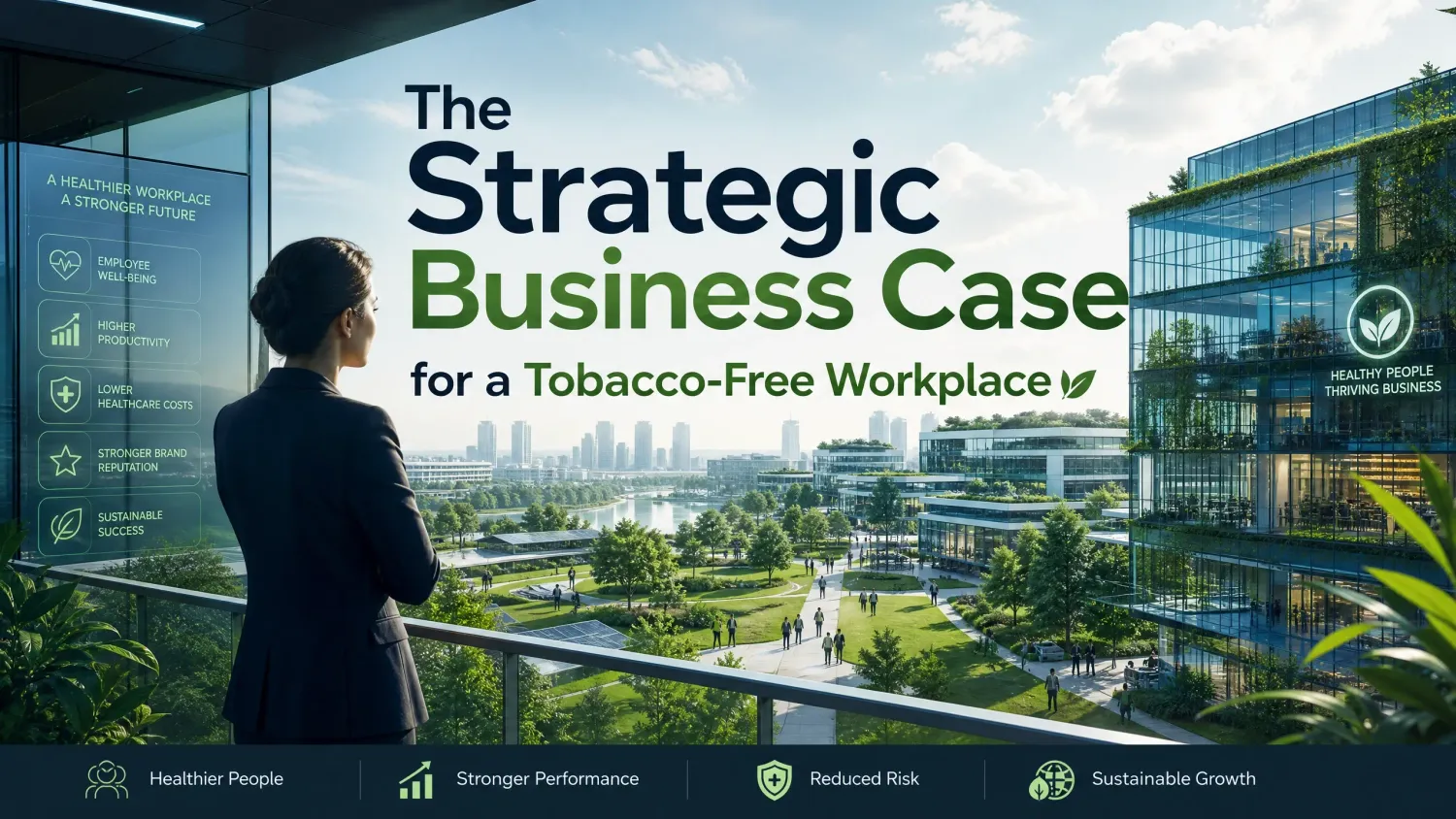
Why a Tobacco-Free Workplace Matters More Than Ever
Tobacco use remains a leading cause of preventable illness and death worldwide. In workplaces, smoking and vaping introduce risks that extend beyond individual employees to affect overall organizational health and productivity.
Increased healthcare expenses: Smokers typically incur 30-40% higher medical costs than non-smokers, burdening employer-sponsored health plans.
Reduced productivity: Frequent smoking breaks and tobacco-related illnesses result in lost work hours and decreased efficiency.
Higher absenteeism: Tobacco users are more likely to miss work due to chronic conditions like respiratory diseases and cardiovascular issues.
Safety risks: Smoking-related incidents such as fires or impaired alertness can compromise workplace safety.
Negative company image: As public attitudes shift, companies tolerating tobacco use may appear outdated or less committed to employee well-being.
With vaping and e-cigarettes introducing new challenges, the need for updated tobacco policies is more urgent than ever.
Investing in a tobacco-free workplace yields measurable returns. Multiple studies confirm that tobacco cessation programs and smoke-free policies produce significant cost savings and boost employee morale.
Key ROI Statistics
Healthcare cost reduction: Employers can save up to $3,000 per employee annually in medical costs by eliminating tobacco use.
Increased productivity: Smokers take an average of 2-3 additional sick days per year compared to non-smokers. Smoke-free policies help recover these lost hours.
Lower insurance premiums: Health and life insurance premiums often decrease when companies implement tobacco-free benefits.
Reduced workers’ compensation claims: Tobacco users face higher risks of injury and slower recovery, raising claim costs.
Improved employee retention: Supporting tobacco cessation fosters loyalty and reduces turnover.
Case Example: Corporate Success Story
A mid-sized manufacturing company implemented a comprehensive tobacco-free workplace program, including cessation support and policy enforcement. Within two years, the company reported:
A 25% reduction in smoking rates among employees.
Annual health cost savings of $150,000.
A 15% decrease in absenteeism related to respiratory illnesses.
This example highlights how a thoughtful approach to tobacco-free policies can translate into tangible benefits.
Understanding the Legal Landscape in 2026
Before launching a tobacco-free workplace initiative, it’s critical to understand the evolving legal framework that governs tobacco use at work.
Current Tobacco-Free Workplace Laws
Federal and state regulations increasingly support smoke-free environments, often extending to vaping and e-cigarettes.
Employers have the right to restrict tobacco use on company premises, including parking lots and vehicles.
Some jurisdictions require reasonable accommodations for employees using nicotine replacement therapies or undergoing cessation treatment.
Potential Legal Challenges
Policies must be applied uniformly to avoid discrimination claims.
Consider privacy laws when managing cessation program participation and health data.
Stay updated on evolving regulations concerning cannabis and nicotine products, which may intersect with tobacco policies.
Best Practices for Compliance
Develop clear, written tobacco-free policies communicated to all employees.
Provide advance notice before implementation.
Offer accessible cessation support to ease the transition.
Consult legal counsel to tailor policies to your jurisdiction.
How to Implement a Successful Tobacco-Free Workplace Program
Creating a thriving tobacco-free culture goes beyond banning smoking—it involves education, support, and ongoing engagement.
Step 1: Assess Your Workplace Environment
Conduct anonymous employee surveys to gauge tobacco use and attitudes.
Identify barriers and motivators for quitting.
Review current policies and benefits related to tobacco cessation.
Step 2: Develop a Comprehensive Tobacco-Free Policy
Define the scope: includes cigarettes, cigars, pipes, vaping devices, and smokeless tobacco.
Specify designated smoke-free areas or 100% tobacco-free campuses.
Outline consequences for policy violations.
Communicate the policy clearly through multiple channels.
Step 3: Provide Accessible Cessation Resources
Offer counseling services, either in-person or virtually.
Facilitate access to nicotine replacement therapies and medications.
Encourage participation in evidence-based programs like the Breathe Forward Course.
Partner with external experts to support diverse employee needs.
Step 4: Promote the Benefits and Celebrate Success
Share stories of employees who have quit tobacco.
Highlight health improvements and financial savings.
Recognize milestones and incentivize participation.
Step 5: Monitor, Evaluate, and Adjust
Track key metrics such as smoking rates, absenteeism, and healthcare costs.
Solicit employee feedback to refine programs.
Stay adaptable to emerging trends and products.
The Role of Leadership and Corporate Culture
Successful tobacco-free workplace initiatives require strong leadership commitment. When executives and managers model tobacco-free behaviors, it sets a powerful example.
Include tobacco-free goals in corporate wellness strategies.
Integrate tobacco cessation into broader employee health initiatives.
Foster a culture of support rather than punishment.
Provide training for supervisors to handle tobacco-related conversations empathetically.
Althea Woodley’s Expertise: Supporting Your Tobacco-Free Journey
With nearly two decades as a Registered Respiratory Therapist and Certified Smoking Cessation Facilitator, I understand the challenges and victories involved in quitting tobacco. My approach is compassionate and tailored—whether you’re an individual struggling to quit or an organization looking to implement effective cessation programs.
My programs combine clinical expertise with practical tools, helping employees breathe better, work smarter, and live free. Together, we can transform your workplace into a healthier, more vibrant community.

The Business Case for Going Smoke-Free in 2026 Frequently Asked Questions (FAQs)
A tobacco-free workplace is an environment where all forms of tobacco use—including smoking, vaping, and smokeless tobacco—are prohibited on company property. This often includes buildings, parking lots, and company vehicles to promote health and safety.
Tobacco-free policies reduce healthcare costs, lower absenteeism, and improve productivity. Employers often see decreased insurance premiums and fewer workers’ compensation claims, resulting in substantial cost savings over time.
Employers cannot mandate employees to quit tobacco but can prohibit tobacco use on premises. Providing cessation support encourages quitting and helps employees comply with policies voluntarily.
Effective resources include counseling, nicotine replacement therapies, prescription medications, and structured programs like coaching courses. Accessibility and confidentiality are key to encouraging participation.
Yes. Many organizations now include vaping and e-cigarettes in their tobacco-free policies due to health concerns and regulatory developments, ensuring a comprehensive approach to tobacco use.
Success can be measured by reductions in employee tobacco use rates, healthcare claims related to tobacco, absenteeism data, employee participation in cessation programs, and overall workplace satisfaction surveys.
Conclusion: The Business Case for Going Smoke-Free in 2026
A thoughtfully crafted smoke-free workplace policy is a vital investment in your organization’s health, safety, and productivity. By setting clear expectations, providing compassionate support, and enforcing the rules fairly, you create a culture that values well-being and respects all employees.
Remember, change takes time. Your policy can be a catalyst for healthier habits that benefit your workforce for years to come
Ready to Make Your Workplace Tobacco-Free?

If you're a corporate leader ready to champion a healthier, tobacco-free workplace, let’s connect. I offer tailored consultations and proven cessation programs designed to fit your organization's unique needs. Together, we can create a workplace where everyone breathes better, works smarter, and lives free.
Book a corporate consultation today with Althea Woodley of Woodley Solutions and take the first step toward a healthier 2026 and beyond.
About the Author: Althea Woodley
Althea Woodley is a Registered Respiratory Therapist with over 19 years of clinical experience and a Certified Smoking Cessation Facilitator. Throughout her career, she has witnessed firsthand the devastating effects of nicotine addiction on lung health and overall well-being. This deep clinical understanding drives her passion for helping individuals break free from tobacco and vaping.
At Woodley Solutions, Althea combines evidence-based cessation strategies with compassionate, judgment-free coaching. Her approach goes beyond simple willpower, addressing the psychological, behavioral, and physical aspects of addiction.
Whether she is working one-on-one with individuals through her Breathe Forward Course or partnering with HR Directors and CFOs to implement high-ROI corporate wellness programs, Althea's mission remains the same: to empower people to take back control of their health.
Breathe Better. Work Smarter. Live Free.
© Created with systeme.io