
Large Call to Action Headline
How Many Days Does It Take to Quit Vaping? A Realistic Recovery Timeline
How Many Days Does It Take to Quit Vaping? A Realistic Recovery Timeline

Vaping has become a popular alternative to smoking, but quitting vaping can still be challenging. If you’re asking yourself, how many days does it take to quit vaping?, you’re not alone. Many people want to understand the timeline of recovery—when cravings peak, how withdrawal symptoms evolve, and most importantly, when it starts to get easier.
As a Registered Respiratory Therapist with over 19 years of experience and a Certified Smoking Cessation Facilitator, I’ve helped countless individuals breathe better and live free from nicotine dependence. In this article, I’ll walk you through a realistic day-by-day recovery timeline for quitting vaping, backed by science, practical advice, and empathy.
Whether you’re vaping for years or just a few months, this guide will help you prepare mentally and physically for quitting. Let’s dive in.
Why Understanding the Quit Vaping Timeline Mattersl
Quitting vaping is more than just stopping the habit. It’s a process that involves your body healing from nicotine’s effects, managing withdrawal symptoms, and revamping your daily routines. Knowing what to expect in the days and weeks after quitting can:
Reduce anxiety about withdrawal symptoms
Help you stay motivated during tough moments
Equip you with strategies to manage cravings effectively
Increase your chances of long-term success
Nicotine addiction impacts your brain chemistry, respiratory system, and emotional wellbeing. Recovery doesn’t happen overnight, but it does happen—with the right mindset and support.
What Influences How Long It Takes to Quit Vaping?
Understanding the Risks of Vaping While Pregnant
Before we jump into the timeline, it’s important to understand that quitting experiences vary widely. Several factors influence how many days it takes to quit vaping successfully:
Duration of vaping: Longer use often means stronger addiction.
Nicotine concentration: Higher nicotine levels in e-liquids can increase withdrawal intensity.
Frequency of use: Daily or heavy use creates stronger physical and psychological dependence.
Individual metabolism: Your body’s ability to process and eliminate nicotine.
Mental health: Anxiety, depression, or stress can affect cravings and withdrawal.
Support systems: Access to counseling, cessation coaching, or support groups.
With these in mind, the typical acute withdrawal phase lasts about 3 to 10 days, but full recovery can take weeks or months.
A Realistic Day-by-Day Recovery Timeline
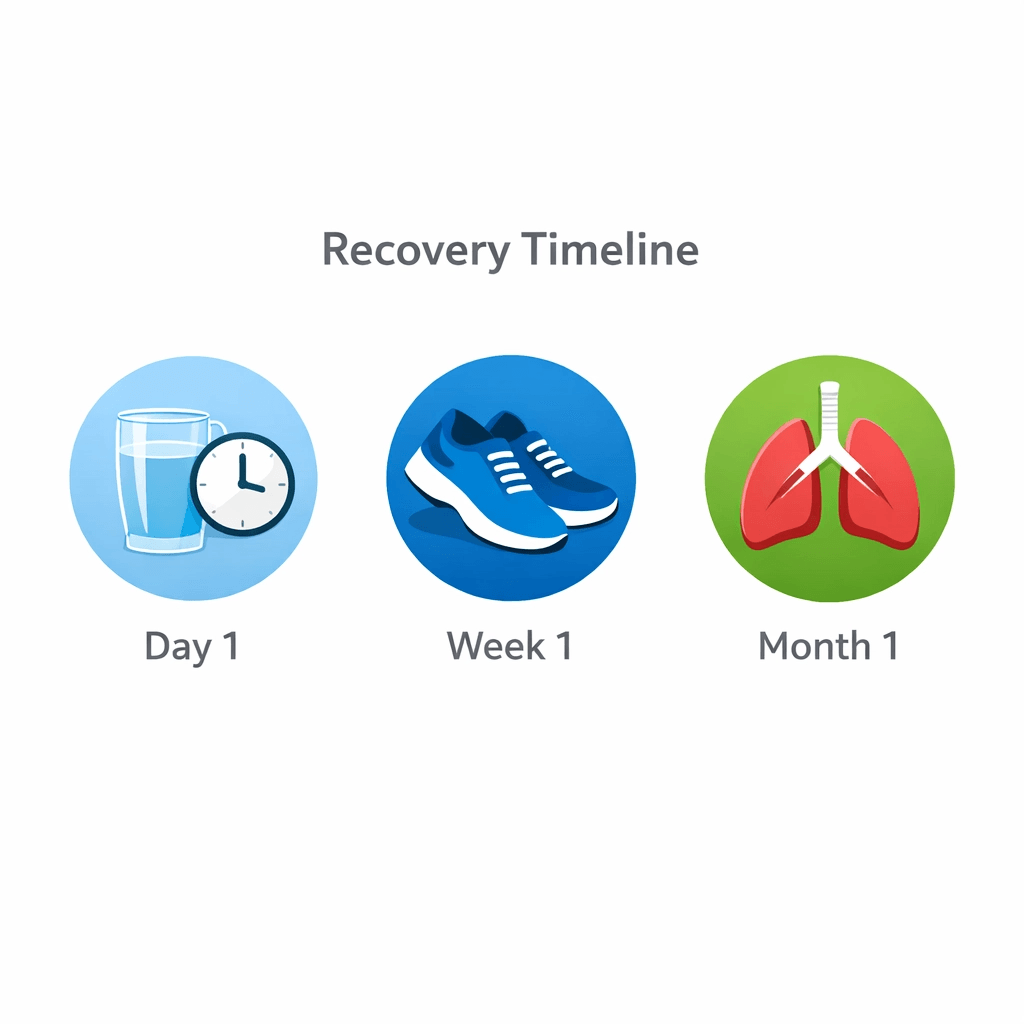
Days 1–3: The Critical Start – Acute Withdrawal Hits
What happens:
Nicotine levels in your body start to drop rapidly.
You may experience intense cravings, irritability, anxiety, headaches, and difficulty concentrating.
Physical symptoms like increased appetite, cough, or throat irritation may appear as your lungs begin to clear.
Tips to get through this phase:
Stay hydrated and eat balanced meals.
Practice deep breathing exercises to calm your nerves.
Use distraction techniques—walk, listen to music, or engage in hobbies.
Consider nicotine replacement therapy (NRT) if cravings are overwhelming.
Days 4–7: The Toughest Week
What happens:
Withdrawal symptoms often peak around day 3 to 5 and may persist through day 7.
Mood swings and sleep disturbances are common.
You might feel restless or fatigued.
Tips:
Prioritize sleep hygiene—maintain a regular sleep schedule.
Avoid triggers like social settings where you used to vape.
Reach out for support from friends, family, or a cessation coach.
Journaling can help you track progress and identify triggers.
Days 8–14: The Fog Lifts
What happens:
Cravings begin to reduce in frequency and intensity.
Your body starts repairing damaged lung tissue and improving oxygen exchange.
You may notice better taste and smell.
Tips:
Celebrate small victories—each day without vaping is an achievement.
Start light exercise to boost mood and lung function.
Replace vaping with healthy habits like chewing gum or drinking herbal tea.
Days 15–30: Regaining Control
What happens:
Nicotine is mostly out of your system.
Psychological cravings may linger, but physical withdrawal symptoms fade.
Lung function and stamina improve noticeably.
Tips:
Continue avoiding high-risk situations and triggers.
Engage in mindfulness or meditation to manage stress.
Consider joining a support group or online community.
1 to 3 Months: New Normal Established
What happens:
Lung capacity improves significantly—breathing feels easier.
Coughing and phlegm decrease as your respiratory tract heals.
Psychological cravings become infrequent and manageable.
Tips:
Keep reinforcing your new smoke-free identity.
Incorporate regular cardiovascular exercise.
Reward yourself for milestones—this boosts motivation.
3 to 6 Months and Beyond: Long-Term Recovery
What happens:
Risk of respiratory infections decreases.
Your sense of smell and taste is fully restored.
Emotional triggers may still arise but are easier to handle.
Tips:
Stay vigilant against relapse, especially during stressful times.
Share your journey to inspire others.
Consider helping others quit vaping—it reinforces your own commitment.
The Science Behind Nicotine Withdrawal When Quitting Vaping
Nicotine replacement from vaping delivers the addictive substance rapidly to your brain, reinforcing the habit. When you quit, your brain craves dopamine surges that nicotine provided. This leads to withdrawal symptoms such as:
Irritability and mood swings
Anxiety and restlessness
Difficulty concentrating
Increased appetite and weight gain
These symptoms peak within the first week and gradually diminish as your brain chemistry normalizes.
Research shows that 90% of nicotine is eliminated from the body within 2-3 days, but the brain’s reward system can take weeks or months to return to baseline.

Expert Tips To Make Quitting Vaping Easier
As a respiratory therapist and cessation specialist, here are my top recommendations:
Set a quit date: Planning ahead increases your success rate.
Use evidence-based aids: NRT, prescription medications, or behavioral therapy can help.
Identify and avoid triggers: Situations, places, or emotions linked to vaping.
Build a support network: Accountability partners or professional coaches.
Practice self-compassion: Relapses are common but don’t define your journey.
Focus on breathing: Deep breathing exercises improve lung function and reduce cravings.
Why Quitting Vaping Is Worth It: Health Benefits You’ll Notice
Many people underestimate how quickly their body responds to quitting vaping. Within days and weeks, you may experience:
Improved lung function and easier breathing
Reduced heart rate and blood pressure
Better circulation and endurance
Enhanced taste and smell
Increased energy levels
Lowered risk of respiratory infections and chronic diseases
Your journey to quitting vaping is a journey toward better health and freedom.

Conclusion: How Many Days Does It Take to Quit Vaping?
Understanding how many days it takes to quit vaping helps set realistic expectations and prepares you for the challenges and triumphs ahead. The first week is often the hardest, but with every day that passes, your body heals, cravings lessen, and your quality of life improves.
Remember, quitting vaping is not just about stopping a habit—it’s about reclaiming your health, your breath, and your freedom. No matter where you are in your journey, support is available and success is possible.
If you’re ready to take the next step toward a vape-free life, I’m here to help.
Let’s Breathe Better Together.

Are you ready to quit vaping but unsure where to start? Join my Breathe Forward Course—a comprehensive coaching program designed to guide you through every step of quitting with expert strategies and compassionate support.
Breathe better. Work smarter. Live free.
How Many Days Does It Take to Quit Vaping? Frequently Asked Questions
Cravings usually peak within the first 3 to 5 days and gradually decrease over the next few weeks. While intense cravings become less frequent, some psychological triggers may persist for months. Using coping strategies and support can help manage cravings effectively.
Both methods can be effective. Quitting cold turkey means stopping abruptly, but some people find nicotine replacement therapies (NRT) like patches or gum helpful to ease withdrawal symptoms. The choice depends on your addiction level and personal preference.
It's common for some people to gain a few pounds after quitting due to increased appetite and changes in metabolism. However, mindful eating and regular physical activity can help manage your weight while supporting your recovery.
When you stop vaping, your lungs begin to repair damaged tissues, reduce inflammation, and clear out mucus. This improves lung capacity, reduces coughing, and lowers the risk of infections and chronic respiratory diseases over time.
Yes. Nicotine affects brain chemistry related to mood regulation. Withdrawal can temporarily cause mood changes, anxiety, or depression. If symptoms are severe or persistent, seeking professional support is important.
Many benefits begin within days to weeks: better breathing, improved taste and smell, reduced coughing. Long-term benefits like improved cardiovascular health and reduced disease risk develop over months to years.
About the Author: Althea Woodley
Althea Woodley is a Registered Respiratory Therapist with over 19 years of clinical experience and a Certified Smoking Cessation Facilitator. Throughout her career, she has witnessed firsthand the devastating effects of nicotine addiction on lung health and overall well-being. This deep clinical understanding drives her passion for helping individuals break free from tobacco and vaping.
At Woodley Solutions, Althea combines evidence-based cessation strategies with compassionate, judgment-free coaching. Her approach goes beyond simple willpower, addressing the psychological, behavioral, and physical aspects of addiction. Whether she is working one-on-one with individuals through her Breathe Forward Course or partnering with HR Directors and CFOs to implement high-ROI corporate wellness programs, Althea's mission remains the same: to empower people to take back control of their health.
Breathe Better. Work Smarter. Live Free.
© Created with systeme.io