
Large Call to Action Headline
How to Quit Smoking: A Complete Evidence-Based Guide for 2026
How to Quit Smoking: A Complete Evidence-Based Guide for 2026
Quitting smoking is one of the most powerful decisions you can make for your health and well-being. But a common question many ask is, how long does it take to quit smoking? The answer isn’t a simple one-size-fits-all timeline. It varies based on your habits, your body’s response, and the support system you have.
As a Registered Respiratory Therapist with over 19 years of experience and a Certified Smoking Cessation Facilitator, I’ve helped countless individuals breathe better, work smarter, and live free from nicotine addiction. In this comprehensive, week-by-week guide, I’ll walk you through what happens to your body and mind after your last cigarette. Understanding these changes can empower you to stay motivated and confident on your quit journey.
Let’s dive in.
Why Knowing the Timeline Matters
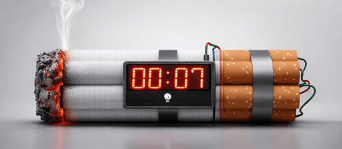
Before we explore the week-by-week changes, it’s important to understand why knowing the quitting timeline matters:
Motivation: Seeing progress in real time helps you stay committed.
Preparation: Knowing what withdrawal symptoms to expect allows you to plan coping strategies.
Health benefits: Recognizing the immediate and long-term health improvements reinforces why quitting is worth it.
Remember, quitting smoking is a process — not a single event. It takes both physical and mental adjustment, and every step forward is a victory.
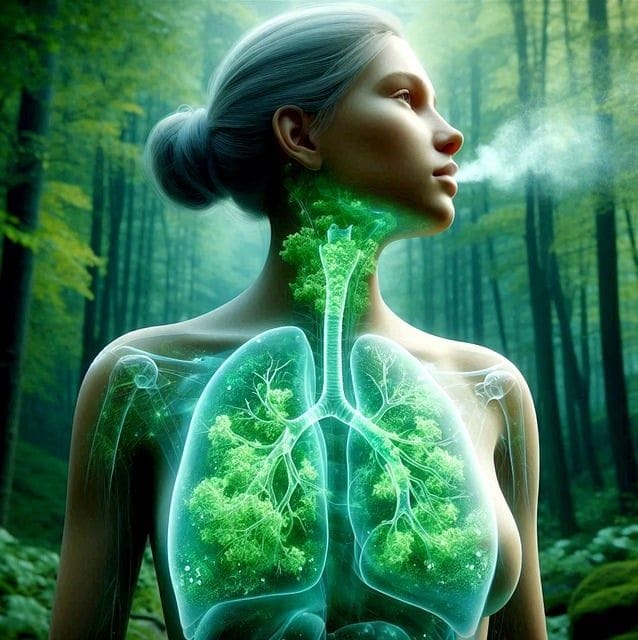
The First Week: The Toughest But Most Critical Phase
Day 1-3: Nicotine Withdrawal Begins
Your body starts to crave nicotine almost immediately after your last cigarette. Nicotine, the addictive chemical in cigarettes and vapes, affects the brain’s reward system. When you stop, withdrawal symptoms can be intense but are temporary.
Common symptoms during this phase include:
Strong cravings for nicotine
Irritability and mood swings
Anxiety or restlessness
Difficulty concentrating
Increased appetite or sugar cravings
Headaches and dizziness
Coughing as the lungs start to clear mucus
What’s happening inside your body?
Within 20 minutes of your last cigarette, your heart rate and blood pressure begin to drop to normal levels.
By 8 hours, the carbon monoxide level in your blood drops significantly, and oxygen levels improve.
By 72 hours, nicotine is mostly out of your body, but this is when withdrawal symptoms peak.
Weeks 2-4: Physical Withdrawal Eases, Mental Challenges Persist
Week 2: Lung Function Starts to Improve
By the second week, your lungs begin repairing themselves. Tiny hair-like structures called cilia, which help clear mucus and debris, start to function better.
You may notice:
Less coughing and shortness of breath
More energy and better endurance during physical activity
Cravings become less frequent but can still be strong
Week 3-4: The Brain Rewires
Nicotine has altered your brain’s chemistry over years of smoking. During weeks 3 and 4, your brain starts to adjust:
Dopamine levels, associated with pleasure and reward, begin to normalize.
You may experience mood swings, irritability, or feelings of depression.
Sleep patterns may still be disrupted.
What helps?
Regular exercise to boost natural dopamine production.
Mindfulness or meditation to manage mood swings.
Support groups or counseling to stay accountable.
Month 2-3: Cravings Decrease, Health Benefits Multiply
Physical Improvements
Your lung capacity increases, allowing you to breathe easier.
Circulation improves, reducing your risk of heart disease.
Your immune system strengthens, making you less prone to infections.
Mental and Emotional Shifts
Cravings become less frequent and less intense.
You start feeling proud and more confident in your ability to stay smoke-free.
Some former smokers report feeling “withdrawn” socially or emotionally, as smoking often served as a coping mechanism.
Continuing Support
Keep building healthy habits to replace smoking.
Celebrate milestones—two months smoke-free is a significant achievement.
If cravings resurface, remind yourself why you quit and use coping tools.

6 Months to 1 Year: Long-Term Recovery and Reduced Risk
Health Milestones
Your risk of heart attack drops dramatically—by 50% compared to a smoker.
Lung function continues to improve; coughing and wheezing significantly decrease.
Your risk of stroke and many cancers continues to decline.
Psychological Growth
Most physical withdrawal symptoms have passed.
You’re learning to live free of nicotine’s control.
You may still face occasional cravings, especially in stressful situations.
Maintaining Momentum
Stay connected to support systems.
Keep practicing stress management techniques.
Recognize your progress and how far you’ve come.
One Year and Beyond: A New Life Free from Smoking
After one year of being smoke-free:
Your risk of coronary heart disease is about half that of a smoker.
Your lung cancer risk drops, although it never returns fully to the level of a never-smoker.
Your overall quality of life improves — better breathing, more energy, improved taste and smell.
It’s important to remember that quitting smoking is a lifelong journey. Some days may be easier than others. But every smoke-free day adds up to a healthier, happier you.
Althea’s Expert Tips for Quitting Successfully
As a respiratory therapist and smoking cessation facilitator, I’ve seen what works best for my clients:
Personalized quit plans: Tailor your quit plan to your lifestyle and triggers.
Nicotine Replacement Therapy (NRT): Patches, gum, lozenges, or inhalers can ease withdrawal.
Behavioral support: Counseling, coaching, or support groups increase quit success rates by up to 50%.
Mind-body approaches: Yoga, meditation, and deep breathing can reduce stress and cravings.
Stay patient and kind to yourself: Slips can happen. Use them as learning moments, not reasons to quit trying.
Conclusion On How Long
Quitting smoking is a courageous journey that unfolds week by week, day by day. Knowing how long it takes to quit smoking and what to expect can help you prepare for the challenges and celebrate the victories. Your body begins healing almost immediately, and with time, you’ll breathe better, have more energy, and reduce the risk of serious diseases.
Remember, you are not alone. Whether you’re just starting or have struggled before, support is available to help you live free from nicotine.
If you’re ready to take the next step toward a smoke-free life, I’m here to help.
Let’s Breathe Better Together.

If you’re looking for expert guidance tailored to your unique needs, explore my personalized coaching services or join the Breathe Forward Course — designed to empower you with tools, strategies, and ongoing support.
Breathe Better. Work Smarter. Live Free.
Take the first step today. Visit Woodley Solutions to learn more and start your journey to freedom from smoking.
Frequently Asked Questions Guides On How Long Does It Take?
Most physical withdrawal symptoms subside within 2 to 4 weeks, but it can take several months for your brain chemistry to balance fully. Emotional adjustments vary but often improve steadily over 6 to 12 months.
Cravings usually peak in the first 3 days and gradually decrease over weeks. While most people see cravings significantly reduce by 3 months, occasional urges can happen even years later, especially in stressful situations.
Yes, weight gain is common due to increased appetite and changes in metabolism. On average, people gain 5-10 pounds. Managing this with healthy eating and exercise can help minimize weight gain.
Both methods can work, but combining behavioral support with nicotine replacement therapy (NRT) or medications generally improves success rates. Talk to a healthcare professional for personalized advice.
Your lungs start to heal immediately after quitting. Cilia function improves within weeks, reducing mucus and infection risk. Lung capacity and breathing improve over months and years, though some damage may be irreversible depending on smoking history.
Don’t be discouraged. Relapse is common and part of the quitting process for many. Analyze what triggered the slip, adjust your plan, and recommit. Each quit attempt increases your chances of success.
© Created with systeme.io