
Large Call to Action Headline
How to Quit Vaping: A Step-by-Step Guide from a Respiratory Therapist
How to Quit Vaping: A Step-by-Step Guide from a Respiratory Therapist
Vaping has become increasingly popular over the past decade, especially among young adults and former smokers looking for an alternative. But despite its image as a "safer" option, vaping still delivers nicotine—an addictive substance that can affect your lungs, heart, and overall health. If you're reading this, you might be wondering how to quit vaping and reclaim control over your health and lifestyle.
As a Registered Respiratory Therapist with over 19 years of experience and a Certified Smoking Cessation Facilitator, I understand the challenges and complexities of quitting nicotine products. My goal is to guide you compassionately and effectively through the quitting process. Whether you vape occasionally or multiple times a day, this comprehensive, step-by-step guide will help you take the necessary steps toward living free from vaping.
Why Quitting Vaping Matters?
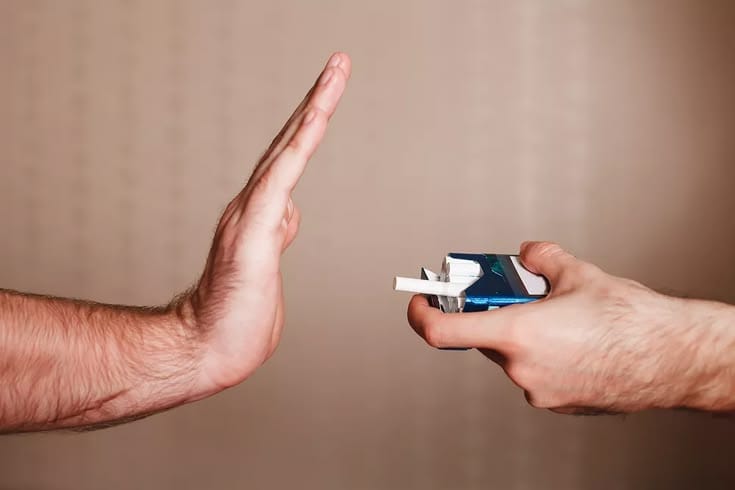
Before diving into the how-to, it’s important to understand why quitting vaping is so beneficial:
Nicotine addiction: Vaping delivers nicotine, which is highly addictive and can alter brain chemistry, especially in younger users.
Respiratory risks: Vaping exposes your lungs to chemicals that can cause inflammation, breathing difficulties, and long-term lung damage.
Heart health: Nicotine raises heart rate and blood pressure, increasing the risk of cardiovascular disease.
Mental health: Nicotine dependence can contribute to anxiety, mood swings, and difficulty concentrating.
Financial savings: Regular vaping can cost hundreds to thousands of dollars per year.
According to the CDC, nearly 40% of high school students reported using e-cigarettes in 2021, signaling a growing public health concern. Quitting vaping not only protects your lungs but also improves your overall quality of life.
Step 1: Prepare Yourself Mentally and Physically
Successful quitting starts with preparation. It’s normal to feel nervous or uncertain, but having a plan helps.
Understand Your Why
Ask yourself why you want to quit. Common reasons include:
Protecting your lung health
Improving physical fitness and breathing
Saving money
Setting a positive example for loved ones
Regaining control over your life
Write down your reasons and review them daily to stay motivated.
Set a Quit Date
Choose a specific date within the next two weeks to quit vaping completely. This gives you time to prepare without losing momentum.
Identify Your Triggers
Triggers are situations, emotions, or places that prompt you to vape. Common triggers include:
Stress or anxiety
Social gatherings
Boredom
Drinking alcohol or coffee
Feeling tired or restless
Write down your triggers and think about how you can avoid or cope with them.
Talk to Your Healthcare Provider
If you have any underlying health conditions or are unsure about quitting methods, consult your doctor or a respiratory therapist. Some may benefit from nicotine replacement therapy (NRT) or medications.

Step 2: Understand Nicotine Withdrawal and How to Manage It
Nicotine withdrawal is often the biggest barrier to quitting. Knowing what to expect and how to manage symptoms is key.
Common Withdrawal Symptoms
Cravings for nicotine
Irritability or mood swings
Difficulty concentrating
Increased appetite or weight gain
Sleep disturbances
Anxiety or depression
Withdrawal symptoms typically peak within the first few days and gradually subside over 2-4 weeks.
Tips to Manage Withdrawal
Stay hydrated: Drink plenty of water to flush toxins.
Exercise regularly: Physical activity reduces cravings and boosts mood.
Practice deep breathing: Helps calm anxiety and improves lung function.
Use distractions: Engage in hobbies or tasks when cravings hit.
Seek support: Talk to friends, family, or support groups.
Consider NRT: Patches, gum, or lozenges can ease withdrawal symptoms.
Step 3: Develop a Personalized Quit Plan
One size does not fit all when it comes to quitting vaping. Tailoring your approach increases your chance of success.
Choose Your Quitting Method
Cold Turkey: Stopping vaping abruptly on your quit date.
Gradual Reduction: Slowly decreasing nicotine intake over days or weeks.
Nicotine Replacement Therapy (NRT): Using patches, gum, or lozenges to taper off nicotine.
Prescription Medications: Such as varenicline or bupropion (consult your doctor).
Behavioral Support: Counseling or coaching to address habits and triggers.
Set Small Goals
Break your quit journey into smaller milestones:
24 hours nicotine-free
3 days nicotine-free
1 week nicotine-free
1 month nicotine-free
Celebrate each achievement to reinforce your commitment.

Step 4: Create a Supportive Environment
Your surroundings can either help or hinder your quit attempt.
Remove Vaping Products
Throw away all vaping devices, pods, chargers, and related paraphernalia from your home, car, and workplace.
Inform Friends and Family
Let trusted people know about your quit plan. Their encouragement and accountability can make a big difference.
Avoid High-Risk Situations
For the first few weeks, try to stay away from places or social settings where vaping is common.
Join Support Groups
Consider joining online forums or local cessation groups where you can share experiences and get advice.
Step 5: Replace Vaping with Healthy Habits
Filling the void left by vaping is important to avoid relapse.
Healthy Alternatives
Exercise: Walking, yoga, swimming, or cycling
Mindfulness and Meditation: Reduces stress and cravings
Hobbies: Reading, puzzles, crafts, or music
Healthy Snacks: Crunchy vegetables, nuts, or sugar-free gum
Deep Breathing Exercises: Breathe in slowly through your nose, hold, and exhale through your mouth
Focus on Lung Health
As a respiratory therapist, I emphasize lung recovery after quitting:
Avoid secondhand smoke and pollutants.
Practice diaphragmatic breathing to strengthen your lungs.
Stay physically active to improve lung capacity.
Consider pulmonary rehabilitation if you have existing lung conditions.
Step 6: Handle Relapses with Compassion and Resolve
Relapse is common and does not mean failure.
What to Do If You Vape Again
Don’t be harsh on yourself—acknowledge the slip and analyze what triggered it.
Recommit immediately to quitting.
Adjust your quit plan if needed (e.g., add counseling or NRT).
Reach out for support.
Remember, quitting vaping is a journey. Each attempt brings you closer to success.
Step 7: Maintain Your Smoke-Free Lifestyle Long-Term
Once you’ve quit vaping, the goal is to stay vape-free for life.
Stay Vigilant
Continue avoiding triggers and high-risk situations.
Monitor your mental health and seek support if you feel vulnerable.
Keep practicing healthy coping mechanisms.
Conclusion: How to Quit Vaping
Quitting vaping is a courageous and life-changing decision. While it can be challenging, understanding the process, preparing mentally and physically, and using the right tools and support make success achievable. Remember, you are not alone on this journey. Every day without vaping improves your lung health, mental well-being, and overall quality of life.
As a Registered Respiratory Therapist and Certified Smoking Cessation Facilitator, I am here to support you every step of the way. Your lungs deserve to breathe better, your mind deserves freedom from addiction, and your life deserves to be lived fully.
Let’s Breathe Better Together.

If you’re ready to quit vaping for good, consider enrolling in my Breathe Forward Course—a personalized coaching program designed to help you break free from nicotine, improve your lung health, and build lasting habits for a smoke-free life.
Visit Woodley Solutions or contact me directly to start your journey toward freedom today.
You can do this. One breath at a time.
How to Vaping Frequently Asked Questions
Quitting vaping varies for each person. Many experience the most intense cravings and withdrawal symptoms in the first 1-2 weeks. With support and a solid plan, most people can be vape-free within one month, but maintaining long-term abstinence requires ongoing commitment.
Nicotine is addictive, so withdrawal symptoms are common. However, their intensity varies depending on usage frequency and individual physiology. Using nicotine replacement therapies or gradual reduction can help minimize withdrawal effects.
While vaping may expose users to fewer harmful chemicals than traditional cigarettes, it is not risk-free. Vaping still delivers nicotine and other substances that can harm your lungs and heart. Quitting both smoking and vaping provides the best health outcomes.
Effective strategies include deep breathing exercises, physical activity, distraction techniques like hobbies, drinking water, chewing sugar-free gum, and seeking social support. Identifying and avoiding triggers also reduces cravings.
Nicotine replacement therapy (NRT) can be very helpful, especially for heavy or long-term vapers. Patches, gum, or lozenges provide controlled nicotine doses to ease withdrawal while you gradually reduce dependence. Consult your healthcare provider before starting NRT.
A respiratory therapist brings specialized knowledge about lung health and nicotine addiction. They provide personalized guidance, breathing techniques, and support tailored to your needs. Certified smoking cessation facilitators also offer coaching and resources to maximize your chances of quitting successfully.
About the Author: Althea Woodley
Althea Woodley is a Registered Respiratory Therapist with over 19 years of clinical experience and a Certified Smoking Cessation Facilitator. Throughout her career, she has witnessed firsthand the devastating effects of nicotine addiction on lung health and overall well-being. This deep clinical understanding drives her passion for helping individuals break free from tobacco and vaping.
At Woodley Solutions, Althea combines evidence-based cessation strategies with compassionate, judgment-free coaching. Her approach goes beyond simple willpower, addressing the psychological, behavioral, and physical aspects of addiction. Whether she is working one-on-one with individuals through her Breathe Forward Course or partnering with HR Directors and CFOs to implement high-ROI corporate wellness programs, Althea's mission remains the same: to empower people to take back control of their health.
Breathe Better. Work Smarter. Live Free.
© Created with systeme.io