
Large Call to Action Headline
How Hard Is It to Quit Vaping? What the Science Says About Nicotine Dependence
How Hard Is It to Quit Vaping? What the Science Says About Nicotine Dependence
Vaping has surged in popularity over the past decade, especially among young adults and those seeking an alternative to traditional cigarettes. But despite the perception that vaping is a “healthier” or more controlled habit, many users find quitting to be surprisingly difficult. If you’ve ever asked yourself, “how hard is it to quit vaping?”, you’re not alone — and the answer lies deep in the science of nicotine dependence.
As a Registered Respiratory Therapist with over 19 years of experience and a Certified Smoking Cessation Facilitator, I’ve helped countless individuals understand the challenges of nicotine addiction and develop effective, personalized plans to quit. In this article, I’ll unpack why quitting vaping can be so challenging, what the latest research reveals about nicotine dependence, and how you can take meaningful steps toward a vape-free life.
Why Is Quitting Vaping so Difficult?
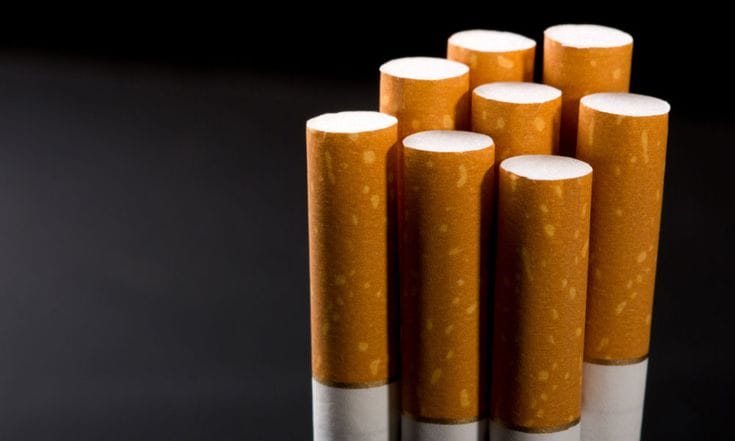
Many people start vaping thinking it will be easier to stop than smoking cigarettes. After all, vaping doesn’t involve tar or many of the harmful chemicals found in traditional tobacco products. However, nicotine, the primary addictive substance in both cigarettes and most vape products, is a powerful stimulant that rewires brain chemistry.
The Role of Nicotine in Addiction
Nicotine acts on the brain’s reward system by stimulating the release of dopamine — the “feel-good” neurotransmitter responsible for pleasure and motivation. Over time, repeated nicotine exposure causes your brain to rely on it to maintain normal function. This leads to:
Physical dependence: Your body craves nicotine to avoid withdrawal symptoms.
Psychological dependence: You associate vaping with certain routines, moods, or social situations.
Tolerance: You need more nicotine over time to achieve the same effects.
Because many vapes deliver nicotine in highly concentrated forms, often through nicotine salts, the intensity of addiction can be even stronger than traditional cigarettes.
Statistics on Nicotine Dependence from Vaping
According to the National Institute on Drug Abuse (NIDA), about 68% of youth e-cigarette users showed signs of nicotine dependence.
Research published in JAMA Network Open highlights that many young adults who vape report difficulty quitting, with withdrawal symptoms similar to cigarette smokers.
A 2020 study found that nicotine salt-based pod systems deliver nicotine rapidly to the brain, increasing addiction potential.
These findings illustrate that vaping is not a benign habit and quitting can be a complex, multi-faceted process.
What Withdrawal Looks Like When Quitting Vaping
Understanding what to expect during withdrawal can prepare you for the challenges ahead and improve your chances of success.
Common Withdrawal Symptoms
When you stop vaping, your body reacts to the absence of nicotine with a range of symptoms, including:
Intense cravings for nicotine.
Irritability, anxiety, and mood swings.
Difficulty concentrating.
Increased appetite and weight gain.
Sleep disturbances, such as insomnia or vivid dreams.
Coughing or respiratory discomfort as your lungs begin to heal.
Symptoms usually peak within the first 3-5 days but can last several weeks. The psychological cravings and habitual triggers may persist for months or even years without proper support.
Why Some People Find It Harder Than Others
Some factors that influence how hard quitting vaping can be include:
Duration and frequency of use: The longer and more frequently you vape, the stronger the addiction.
Nicotine concentration: Higher nicotine levels increase dependence.
Age of initiation: Starting at a younger age may lead to more entrenched addiction.
Mental health status: Anxiety, depression, or stress can make quitting more difficult.
Support systems: Having coaching, counseling, or social support dramatically improves quit rates.

Strategies to Quit Vaping Successfully
The good news is that quitting vaping is achievable — and many people do it every day. The key is to approach it as a process, not a one-time event.
1. Set a Quit Date and Prepare
Choose a quit date within the next two weeks to give yourself time to prepare but not so far away that motivation wanes.
Remove all vaping devices, pods, and accessories from your environment.
Identify your triggers (stress, social situations, boredom) and plan alternatives.
Inform friends and family to build a support network.
2. Use Nicotine Replacement Therapy (NRT) or Medications
Because nicotine withdrawal can be intense, using NRT such as patches, gum, or lozenges can help reduce cravings. Some prescription medications like varenicline (Chantix) or bupropion (Zyban) may also be recommended by healthcare professionals.
3. Behavioral Support and Counseling
Behavioral therapy can help you:
Develop coping skills.
Address psychological triggers.
Manage stress and emotional challenges.
Programs like my Breathe Forward Course combine education, coaching, and community support to increase your chances of quitting for good.
4. Adopt Healthy Habits
Stay physically active to reduce stress and improve mood.
Practice mindfulness or meditation.
Maintain a balanced diet and stay hydrated.
Get enough sleep.
5. Celebrate Milestones and Stay Positive
Quitting is a journey filled with ups and downs. Celebrate each smoke-free day, week, and month. If you slip up, don’t be discouraged — learn from the experience and recommit.
The Respiratory Impact of Quitting Vaping
As a respiratory therapist, I see firsthand how vaping affects lung health. Quitting vaping allows your lungs to begin healing, reducing inflammation and improving overall respiratory function.
Within days: Reduced coughing and improved lung capacity.
Within weeks: Decreased airway inflammation.
Long-term: Lower risk of chronic respiratory diseases and improved quality of life.
Even if the quitting process feels hard, these health benefits are powerful motivators to keep going.
Conclusion: What the Science Says About Vaping Nicotine Dependence
Quitting vaping can be challenging because of the powerful grip nicotine has on the brain and body. The science clearly shows that nicotine dependence from vaping is real and often underestimated. However, with the right knowledge, tools, and support, you can break free from this addiction and reclaim your health.
Remember, quitting is not about perfection — it’s about progress. Every step you take toward quitting vaping brings you closer to breathing better, working smarter, and living free.
If you're ready to take control of your health and quit vaping for good, you don’t have to do it alone. Through personalized coaching and evidence-based programs like the Breathe Forward Course, I’m here to guide you every step of the way.
Take the first step today. Visit Woodley Solutions to learn more about my coaching services and how you can start your journey to a vape-free life.
Breathe better. Work smarter. Live free.
Let’s Breathe Better Together.

If you’re ready to quit vaping for good, consider enrolling in my Breathe Forward Course—a personalized coaching program designed to help you break free from nicotine, improve your lung health, and build lasting habits for a smoke-free life.
Visit Woodley Solutions or contact me directly to start your journey toward freedom today.
You can do this. One breath at a time.
How to Vaping Frequently Asked Questions
Quitting is different for everyone. Physically, nicotine withdrawal symptoms often subside within 2-4 weeks, but psychological cravings can last much longer. Many people find that sustained abstinence requires ongoing support and coping strategies.
It depends on the individual. Some people find vaping harder to quit due to the high nicotine concentrations in pods and the convenience of use. Others struggle more with cigarettes because of the habitual, sensory cues. Both forms of nicotine addiction require tailored quitting approaches.
While some people succeed quitting cold turkey, tapering down nicotine gradually using lower-strength pods or nicotine replacement therapy often reduces withdrawal severity and improves success rates.
Distraction techniques (exercise, hobbies), deep breathing, chewing gum or toothpicks, and using nicotine replacement products are effective ways to manage cravings. Building a strong support system is also crucial.
Emerging research shows that vaping can cause lung inflammation and may contribute to chronic respiratory issues over time. While the full long-term effects are still being studied, quitting vaping reduces these risks and promotes lung healing.
Yes. While nicotine may temporarily relieve stress or anxiety, it ultimately exacerbates these conditions by causing mood swings and dependence. Quitting vaping often leads to improved mood stability and reduced anxiety over time.
About the Author: Althea Woodley
Althea Woodley is a Registered Respiratory Therapist with over 19 years of clinical experience and a Certified Smoking Cessation Facilitator. Throughout her career, she has witnessed firsthand the devastating effects of nicotine addiction on lung health and overall well-being. This deep clinical understanding drives her passion for helping individuals break free from tobacco and vaping.
At Woodley Solutions, Althea combines evidence-based cessation strategies with compassionate, judgment-free coaching. Her approach goes beyond simple willpower, addressing the psychological, behavioral, and physical aspects of addiction. Whether she is working one-on-one with individuals through her Breathe Forward Course or partnering with HR Directors and CFOs to implement high-ROI corporate wellness programs, Althea's mission remains the same: to empower people to take back control of their health.
Breathe Better. Work Smarter. Live Free.
© Created with systeme.io